Frame Photo Floral Lasercut Review
As a designer who has spent years turning digital files into tangible, stitched masterpieces, I approach every new download with a mix of excitement and skepticism. You never know if a design will hold up under the tension of an embroidery machine or if it will look like a mess on a finished product. Recently, I pulled Frame Photo Floral Lasercut off my desk to see if it could genuinely elevate a real-world project. After running several tests and simulating various client scenarios, I have some practical thoughts on how this design fits into your workflow, whether you are an Etsy seller looking for that perfect niche or a hobbyist making gifts.
The First Impression: Mood and Layout
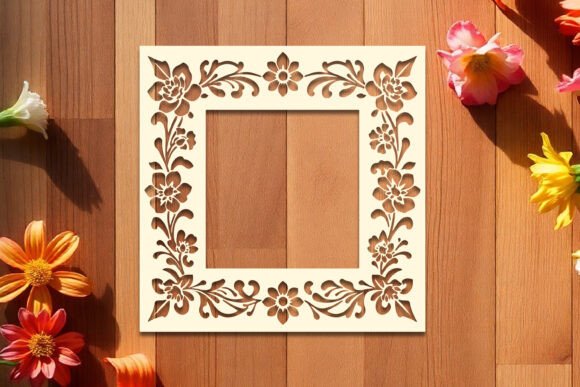
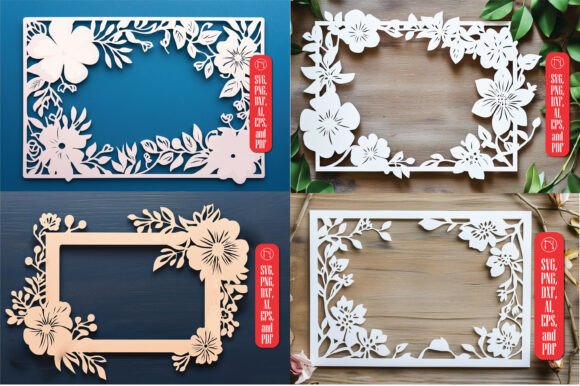
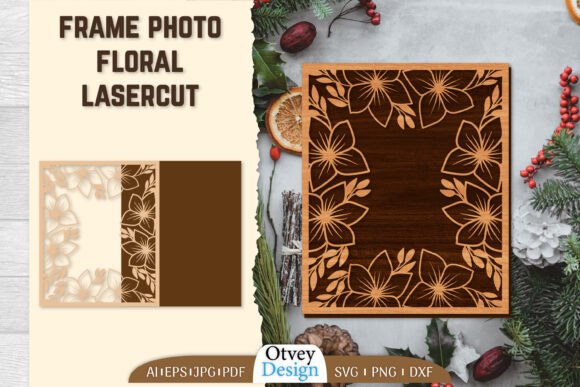
The moment you open the file, the visual personality of Frame Photo Floral Lasercut speaks volumes. It is not just a generic border; it carries a distinct editorial feel, reminiscent of a vintage photo album mixed with modern botanical aesthetics. The "lasercut" aspect of the name suggests precision, and visually, the design delivers clean lines that promise a crisp finish. It creates a mood of nostalgia and warmth, making it an ideal candidate for projects that require a touch of elegance without being overly ornate.
For designers, the layout is particularly smart. It frames a central area perfectly, which implies its primary use case: holding a photograph, a monogram, or a small graphic element. This structural clarity is rare in many free or cheap designs. It feels intentional, as if it was built specifically to draw the eye inward rather than competing for attention. Whether you are thinking about Shadow Boxes or custom framed art, this design sets a sophisticated tone immediately.
Real-World Application: From Screen to Stitch
I decided to put Frame Photo Floral Lasercut through a rigorous trial by fire. My goal was to create a custom embroidered tote bag for a local boutique client who wanted something unique for their holiday collection. The challenge was ensuring the design would translate well from a digital mockup to a heavy cotton canvas tote.
Upon loading the file, I noticed the variety of formats available, including AI, PDF, EPS, JPG, PNG, SVG, and DXF. This flexibility is crucial for a professional workflow. I started by testing the stitch density on a scrap piece of fabric. The floral elements were rendered with a balanced mix of satin stitches for the outlines and fill stitches for the leaves, preventing the fabric from puckering too much. When I moved to the actual tote bag, the results were impressive. The frame held its shape beautifully against the textured canvas, and the negative space allowed the fabric color to peek through, adding depth to the final piece.
This design also shines when applied to softer materials. Imagine a baby onesie or a nursery pillow cover. The gentle curves of the floral motif soften the edges of a garment, making it feel more personal and less industrial. For embroidery designers focusing on personalized gifts, this frame offers a versatile backdrop that can accommodate names, dates, or small icons without cluttering the composition. It transforms a standard item into a keepsake.
Navigating Potential Pitfalls
While Frame Photo Floral Lasercut is a strong contender, no single design is perfect for every situation. As an experienced reviewer, I must point out where caution is required. If you plan to use this on a curved surface like a baseball cap, be aware that the intricate corners of the frame might distort slightly due to the curvature. In such cases, a smaller hoop size might limit the effectiveness of the full design.
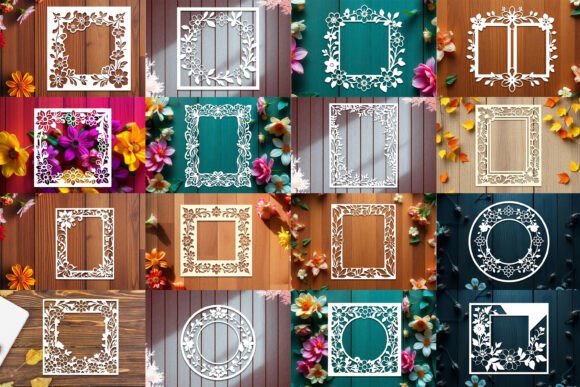
Similarly, if you are working with thin or stretchy fabrics, the stability of the frame relies heavily on your choice of stabilizer. A lightweight tear-away might not provide enough support for the denser parts of the floral pattern, leading to potential distortion during the stitching process. Dark fabrics present another consideration; while the design looks great in black and white mockups, you must ensure your thread colors offer sufficient contrast. Light threads on dark fabric might get lost in the shadows of the frame, whereas dark threads on light fabric could make the details appear muddy if the stitch count is too low.
Furthermore, for products that need frequent washing, such as aprons or kitchen towels, check the durability of the satin stitch areas. While the design is robust, high-friction zones might wear down faster if the thread tension is not calibrated correctly. Always test on a sample before committing to a bulk order for your craft business.
Elevating Visual Appeal and Brand Value
In the world of handmade goods, presentation is everything. Using a cohesive design like Frame Photo Floral Lasercut significantly boosts the perceived value of your finished product. It signals to the buyer that you care about detail and consistency. When a customer sees a professionally framed embroidery on a tote bag or a patch, they associate that quality with your brand identity.
This design is particularly effective for commercial embroidery projects where branding matters. The clean lines allow your logo or message to sit comfortably within the frame, creating a unified look. It works exceptionally well for Etsy sellers who need to stand out in a crowded marketplace. A well-executed frame adds a layer of professionalism that generic text-only designs simply cannot match. It turns a simple item into a statement piece, increasing the likelihood of a sale and encouraging repeat customers.
The versatility extends to digital product previews as well. Because the file includes vector formats like SVG and EPS, you can easily resize the frame for printable mockups or social media graphics. This ensures that what the customer sees online matches exactly what they receive in the mail, building trust and reducing returns.
Practical Designer Notes for Success
Before you rush to start your next project with Frame Photo Floral Lasercut, there are a few essential steps to ensure success. First and foremost, always test the design on scrap fabric. This allows you to adjust your thread colors and verify the hoop size needed for the best result. Don't skip the step of inspecting small details; sometimes, tiny gaps in the vector path can cause issues during digitization.
Review the stitch density carefully. If the design feels too dense for your specific fabric type, consider adjusting the settings in your embroidery software. Confirm whether the design works for both personal and commercial projects by checking the licensing terms provided in the download. Even though the package mentions a wide range of formats, you should verify the specific license restrictions regarding selling finished items.
Finally, don't hesitate to experiment with different fabric textures. The contrast between the smooth satin stitches and a rough linen or denim can create a stunning tactile experience. Whether you are creating a tote bag design, a sweatshirt embroidery accent, or a delicate holiday embroidery ornament, this frame provides a solid foundation. By paying attention to these details, you ensure that your work remains high-quality, professional, and ready for the market.