Sea Turtle Swimming in Waves with Flower Review
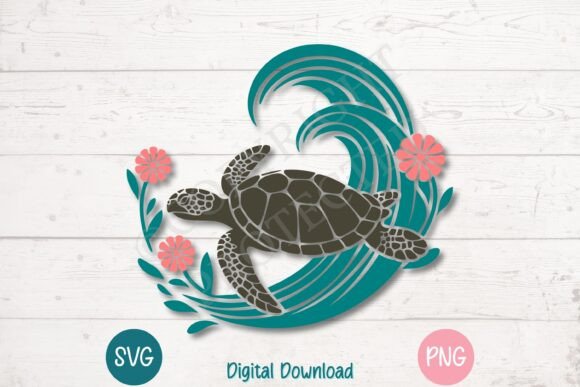
When I first opened the file for Sea Turtle Swimming in Waves with Flower, I didn't just see a graphic; I saw a potential bestseller. As someone who has spent years testing digital assets for real-world embroidery projects, my initial reaction is usually skeptical. However, this piece immediately stood out because it balances artistic flair with practical stitchability. It isn't just another generic nature clipart; it feels like a cohesive narrative designed to be stitched into existence. The concept of a marine creature gliding through ocean waves while accented with floral elements creates a soft, organic mood that fits perfectly with current trends in coastal living and bohemian aesthetics.
The design lands squarely in the intersection of Crafts and Graphics, but its true value lies in how it translates from a screen to fabric. Before I even thought about pricing or marketing, I had to ask myself: would this hold up on a busy weekend at a craft fair? Could it survive the rigors of daily washing on a tote bag? The answer seems to be yes, provided we approach it with the right technical preparation. This review breaks down exactly how Sea Turtle Swimming in Waves with Flower performs when moved from a digital preview to a tangible finished product.
Real-World Application: From Digital File to Tote Bag
Let me walk you through a specific scenario I recently considered. A client approached me needing a custom design for a limited-run line of eco-friendly tote bags intended for a local beach cleanup event. They wanted something that screamed "ocean lover" without looking cheesy or overdone. My mind immediately went to Sea Turtle Swimming in Waves with Flower. The flowing lines of the waves suggested movement, which is crucial for an item that will be carried around and crumpled in a car trunk.
I placed the design onto a mockup of a heavy-duty canvas tote. Visually, the composition worked beautifully. The turtle served as the anchor, while the flowers added a touch of whimsy that made the bag feel more like a gift than a utilitarian tool. When I simulated the stitching process, the flow of the satin stitches along the turtle's shell and the running stitches for the wave crests felt natural. It avoided the clunky, blocky look that often plagues machine embroidery designs on textured fabrics. For an Etsy seller or small shop owner, this kind of visual appeal is what drives clicks and conversions. It looks professional enough to command a higher price point, yet unique enough to stand out in a crowded marketplace.
Technical Performance on Various Fabrics
The versatility of this embroidery file is one of its strongest selling points. While it shines on stable, medium-weight fabrics like cotton twill or denim, it requires careful consideration for other materials. On a sweatshirt or a hoodie, the density of the fill stitches needs to be balanced so the fabric doesn't pucker around the edges of the design. If the design includes too many tight clusters of thread, the knit fabric might distort, ruining the clean lines of the sea turtle.
However, for baby clothes or nursery decor, this design is a dream. The soft curves of the waves and the gentle floral accents are perfect for a onesie or a blanket. The lack of harsh angles makes it safe and comfortable against delicate skin. When used on a pillow cover, the contrast between the detailed marine creature and the surrounding negative space allows the texture of the fabric to shine through, adding depth to the final product. It transforms a simple textile item into a statement piece of home decor.
Conversely, there are places where caution is required. Attempting to use Sea Turtle Swimming in Waves with Flower on a small hoop size, such as those used for hats or caps, can be risky if the design details are intricate. Curved surfaces like baseball caps demand a design that can wrap smoothly without bunching up at the seams. If the original file was optimized for a flat surface, the perspective might look distorted on a curved brim. Similarly, thin or stretchy fabrics require a robust stabilizer to prevent the dense areas of the design from sinking into the material. Without proper support, the result could look messy rather than elegant.
Where to Use It Carefully
- Small Hoop Sizes: Ensure the detail level remains visible when scaled down for items like patches or children's accessories.
- Textured Fabrics: Thick fleece or bouclé may hide the finer details of the floral accents.
- Dense Stitch Areas: Check for excessive thread buildup that could cause puckering on lightweight linens.
- Dark Fabrics: Verify thread color contrast before committing to a large batch of dark-colored apparel.
Impact on Brand Consistency and Customer Trust
In the world of handmade goods and commercial embroidery, the quality of the design directly impacts customer trust. A sloppy digitization job can make a brand look amateurish, regardless of how good the physical sewing machine is. Sea Turtle Swimming in Waves with Flower, when executed correctly, elevates the perceived value of the entire project. The clarity of the stitches suggests attention to detail, which reassures buyers that they are purchasing a high-quality item.
For boutique branding, this design offers a strong visual identity. Imagine a logo on a tag, a decorative element on an apron, or a custom patch for a uniform. The combination of nature and artistry resonates with consumers who value sustainability and craftsmanship. It tells a story of care and intentionality. When customers receive a personalized gift featuring this design, the emotional connection is stronger because the imagery is both recognizable and aesthetically pleasing. It moves beyond a simple transaction and becomes a memorable keepsake.
Practical Designer Notes for Success
Before you rush to stitch your first sample, there are several technical steps you must take to ensure success. First and foremost, test the design on scrap fabric. This is non-negotiable. You need to see how the thread colors interact with your specific fabric choice and whether the stitch density causes any distortion. I strongly recommend inspecting small details closely under good lighting to ensure no gaps appear in the satin stitches.
Review the stitch density carefully. If the design is too dense, it may require a backing with higher stability. If it is too sparse, the fabric might show through, especially on lighter threads. Confirm your hoop size matches the dimensions of the design to avoid cropping out essential elements like the flower accents. Also, test the design in black and white mockups to check the overall balance of light and dark areas, ensuring the silhouette reads clearly regardless of thread color.
Don't forget to check the licensing terms. If you plan to sell finished products featuring Sea Turtle Swimming in Waves with Flower or distribute the digital embroidery file itself, you must have the appropriate commercial license. Using a design meant for personal use in a business setting can lead to legal issues. Furthermore, compare the design across different backgrounds to ensure it works for both light and dark fabric options. Finally, always use the proper stabilizer for your fabric type to maintain the integrity of the embroidery over time.
Ultimately, Sea Turtle Swimming in Waves with Flower is a versatile and beautiful addition to any designer's library. Whether you are creating custom apparel, holiday gifts, or commercial embroidery projects, this design offers the potential to create stunning, marketable items. By paying attention to the technical nuances and preparing your materials correctly, you can turn this digital asset into a profitable and cherished physical product. It is a testament to the power of thoughtful design in the world of crafts and handmade goods.